976-94187050 info@tsogootravel.com

NEWS and BLOG 

A First-Timer’s Guide to Visiting Mongolia: Everything You Need to Know

First of all, a big "Thank You!" Why? Because the fact that you’re reading this means you’re likely dreaming of visiting Mongolia—and we couldn't be more excited for you!

1. The Visa Situation

Let’s cover the basics first. Currently, citizens from over 60 countries can visit Mongolia visa-free for 14 to 30 days. For more detailed information on visa requirements and exemptions, feel free to check out the "ABOUT MONGOLIAN VISA" section in the footer at www.tsogootravel.com.

2. When is the Best Time to Visit?

Depending on your schedule, summer is generally the most popular time to visit. It’s when the weather is finest, making it the top choice for travelers worldwide. That said, Mongolia is a land of four distinct seasons: Summer, Autumn, Winter, and Spring. As travel hosts, we love welcoming visitors year-round! While the harsh winter cold, spring dust storms, and chilly autumn days keep the crowds smaller, every season has its own extraordinary beauty, and we are fully equipped with transport and gear to host you anytime.

  • Winter: If you’re coming from a warmer climate, experiencing our crisp winter air, snowy steppes, frozen forests, and authentic nomadic lifestyle is an unbelievable, bucket-list experience.

  • Spring: With nearly 70 million livestock in Mongolia, spring is newborn animal season. Visiting a herder family to hear the sounds of baby livestock and witness the dedicated care of nomadic herders is a heartfelt memory you’ll cherish forever.

3. The Golden Rule: Always Pack Warm Clothing!

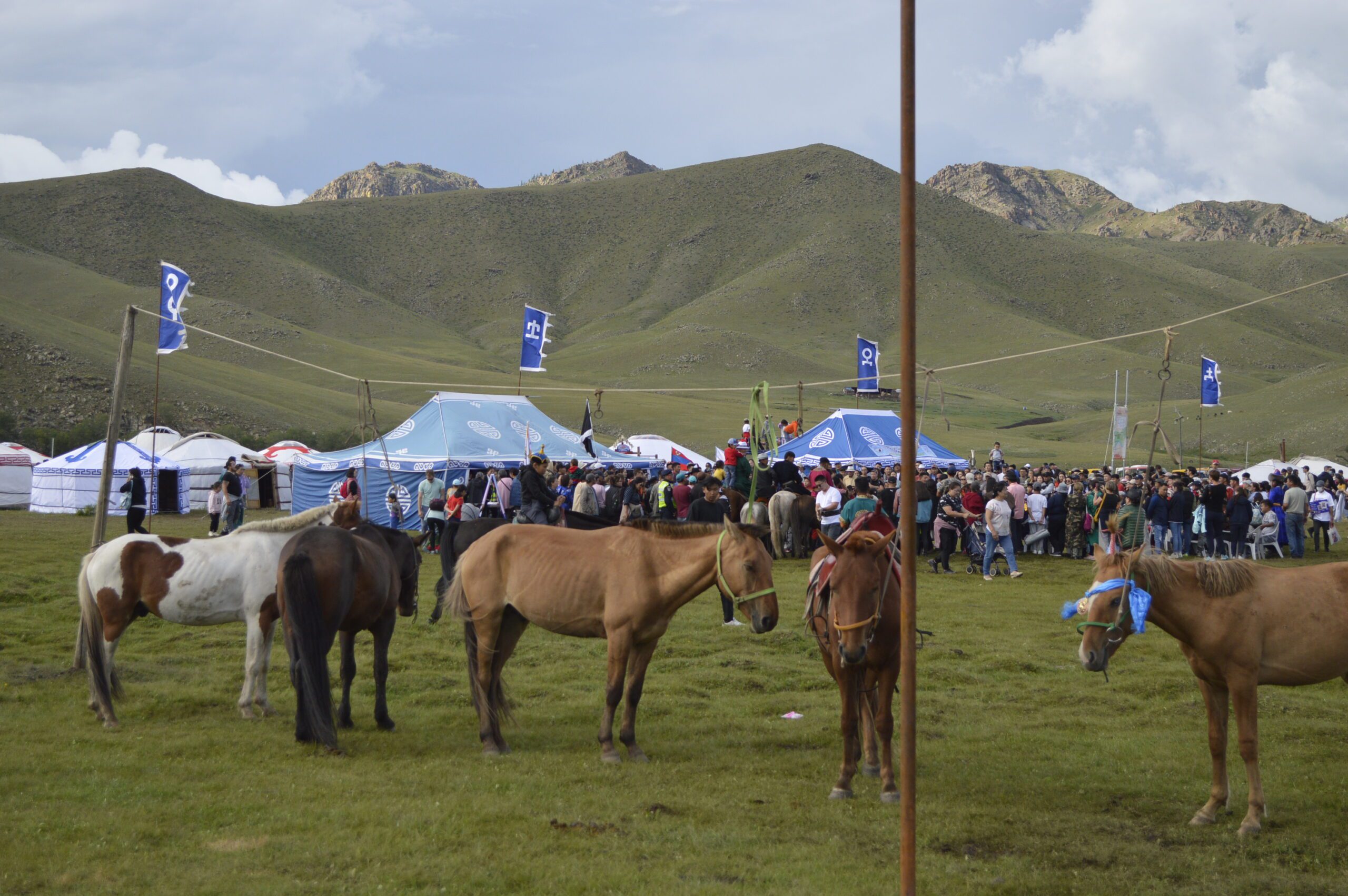
No matter when you visit, pack extra layers. Weather in Mongolia is notoriously unpredictable—it can snow here even in June! July and August are hot during the day, but temperatures drop significantly at night. During a recent Naadam festival in Khuvsgul, many chilly travelers ended up buying warm, local yak-wool socks just to stay cozy!

Even former U.S. President George W. Bush once exclaimed during a visit, "I experienced all four seasons in a single day!" He arrived to sunny skies, green pastures, and mild air, only for rain to set in by afternoon, which turned into snow by evening. This rapid shift can happen during spring, summer, or autumn alike!

That’s all for now—stay tuned for part two!

What would you like to know about Mongolia? Feel free to ask—even if you have doubts or misconceptions. I'd love to clear them up for you!

Tsogoo.S

Founder, "Goo Van Mukhulay" LLC
 

A First-Timer’s Guide to Visiting Mongolia: Everything You Need to Know - 2

Here is a clear, natural, and well-structured English translation tailored for online communities like Reddit:


Hey everyone! Thanks for the feedback on Part 1 (and for calling out the shameless plug 😅). As promised, Part 2 is 100% pure, honest travel tips—no promo, no links, just real advice from a local.

1. Transportation and Road Conditions

Mongolia receives the highest number of tourists during the Naadam Festival. Traveling from Ulaanbaatar to the countryside during this time can take hours. This is because Khui Doloon Khudag—the venue for the Naadam horse races—is located right on the main route leading west from the city, so traffic will really test your patience.

You can easily avoid this congestion by planning your countryside travel before or after the festival in the capital. For reference, the National Naadam Festival takes place annually from July 10th to 13th.

All 21 provinces are connected to Ulaanbaatar by paved roads, but many stretches are in poor condition. Cruising at around 80 km/h is generally a safe and reasonable speed. A lot of tourists now rent cars to explore on their own—if you choose to do this, avoid driving at night at all costs. Beyond the risk of getting lost, there is a high danger of hitting unseen potholes or road damage in the dark.

2. Google Maps vs. Offline Maps

Since Google Maps often fails or lacks detail in the Mongolian countryside, it's best to rely on offline navigation apps like MAPS.ME or Organic Maps. Additionally, the app bGEO accurately maps out almost all of Mongolia's dirt roads based on local driving data—I've used it myself and highly recommend it.

3. Footwear: Sneakers vs. Boots

Sneakers are a universal essential, so there’s no need to leave them behind. You'll also see some travelers wearing military-style boots locally known as "Desert Yellows," which are great for rural terrain. If you want a pair, you can pick them up for a reasonable price at Narantuul Market (UB's central open-air market).

4. Connectivity & SIM Cards

Where should you get a SIM card? The queues at Chinggis Khaan International Airport can get very long. You'll save time by setting up an eSIM beforehand or visiting a main Unitel or Mobicom branch once you get into the city.

5. Cash vs. Card

While bank cards and QR payments (like Khan Bank) are widely accepted in Ulaanbaatar, carrying cash (MNT) is essential when traveling to the countryside. Some rural eateries and local shops only accept cash, and mobile POS terminal networks can occasionally go down outside major settlements.

Hope this helps anyone planning a trip here! Drop any specific questions below and I'll be happy to answer them.